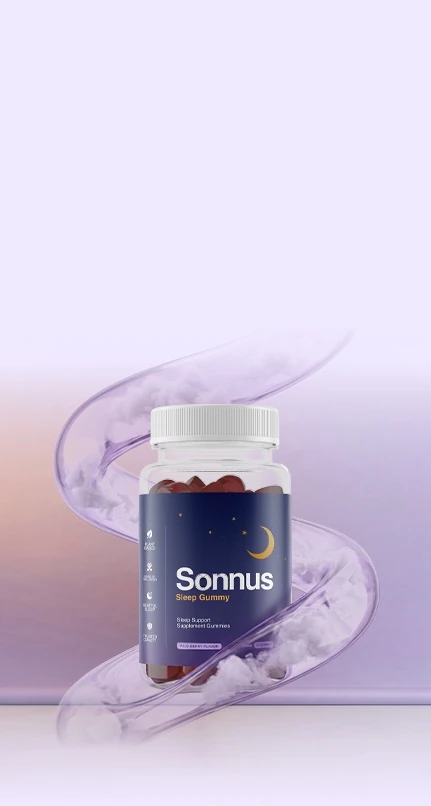
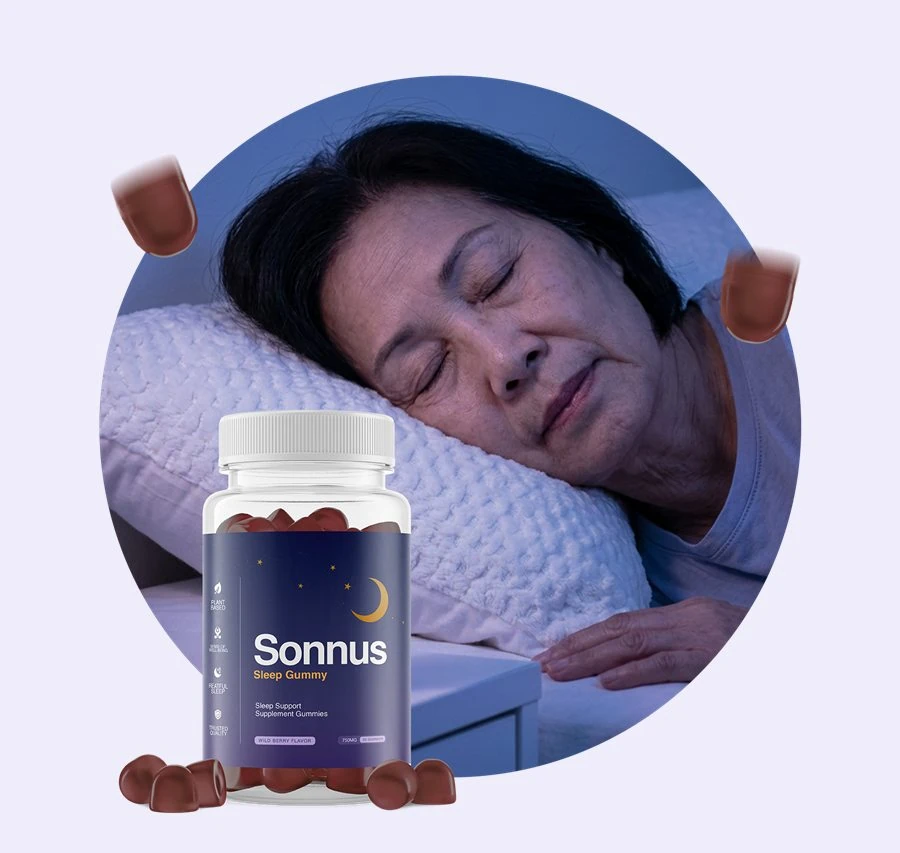
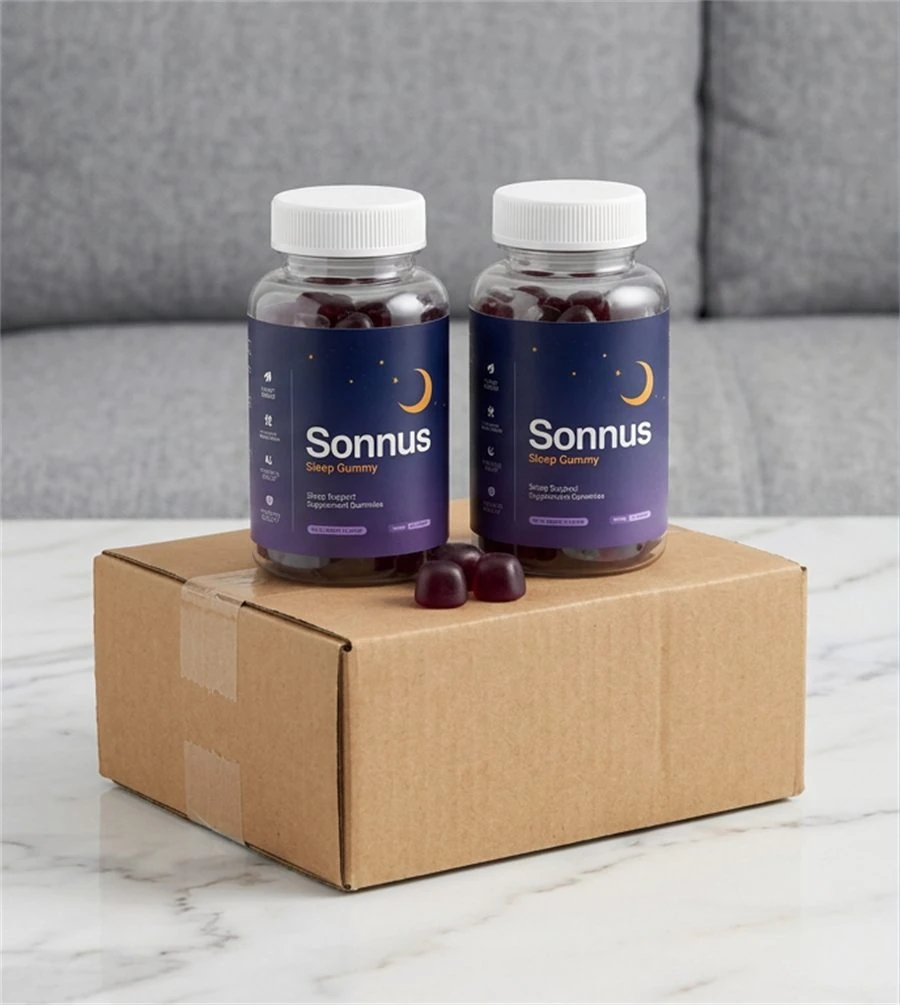
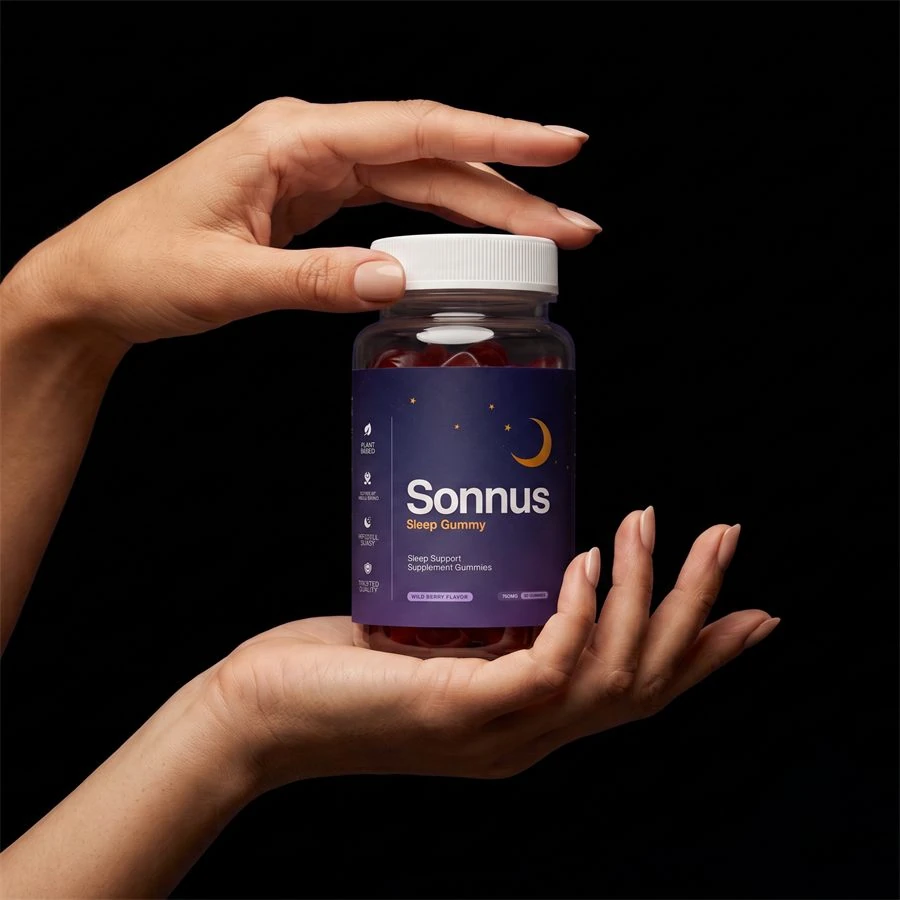
Sonnus® Reviews: Ingredients, Results, Price and Guarantee Explained
Does Sonnus actually work, or is it just melatonin in a gummy?
This is the first question most people ask before buying any sleep gummy, and it's a fair one — the supplement aisle is full of products that are little more than a sugar gummy with a melatonin dose stamped on the label. Sonnus® is built differently on paper: melatonin is capped at a precise 0.9 mg, well below the 5–10 mg found in most drugstore sleep gummies, and it is paired with nine other ingredients — magnesium bisglycinate, L-theanine, GABA, apigenin, lemon balm, 5-HTP and a set of bioactive B vitamins — chosen to support the parts of sleep that a timing signal alone does not touch, namely the racing mind and the ability to stay asleep through the night. Whether that combination works for a given person depends on why their sleep is broken in the first place; it is formulated for the "tired but wired" and "wakes at 3 a.m." patterns rather than for someone who simply has an irregular schedule.
What's actually inside the formula, ingredient by ingredient
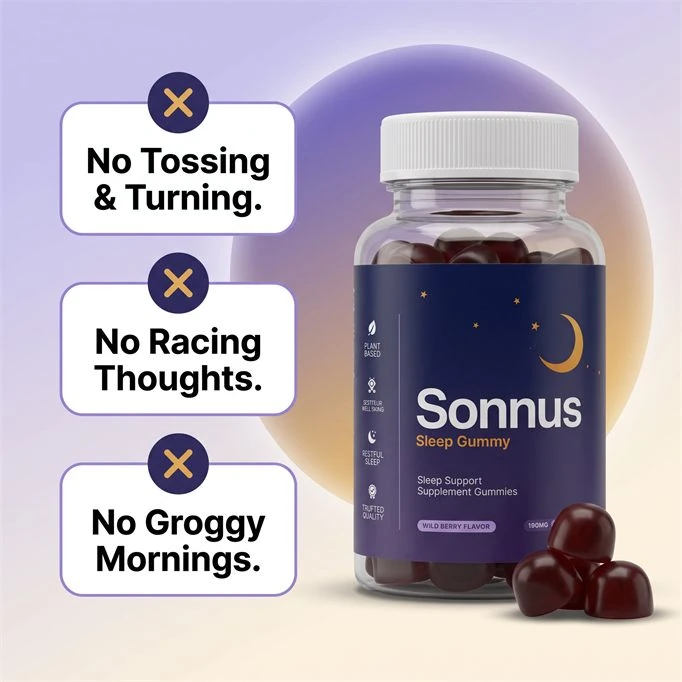
Reading a supplement label matters more than reading a marketing page, so here is what each ingredient in Sonnus® is doing and why it's there. Magnesium bisglycinate is a chelated, well-absorbed form of magnesium used for nervous system regulation and muscle relaxation, chosen over cheaper forms like magnesium oxide because it is gentler on digestion. L-theanine is an amino acid associated with alpha brain-wave activity, the pattern linked to calm, relaxed wakefulness. GABA is the brain's principal inhibitory neurotransmitter, effectively the body's own "brake pedal." Apigenin, found in chamomile, is the compound behind chamomile tea's reputation as a bedtime ritual. Lemon balm is traditionally used to ease tension. 5-HTP is a precursor in the serotonin pathway, which is upstream of the body's own melatonin production. The B vitamins included support the enzymatic conversions those pathways rely on. Melatonin itself is dosed at 0.9 mg — close to what a healthy body produces on its own — as a timing signal rather than a sedative dose. The full list is ten ingredients and nothing else: no added sugar, no artificial dyes, no stimulants, no gluten.
Sonnus vs melatonin pills: which one actually solves a 3 a.m. wake-up
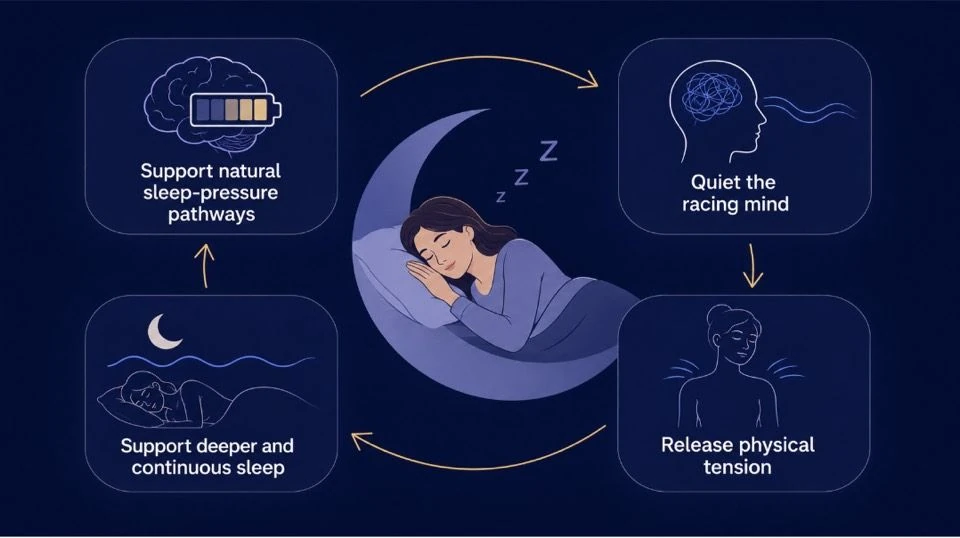
This is the comparison most people are really trying to make, often without realizing it. A standalone melatonin pill addresses timing — it tells your brain darkness has arrived. It does nothing for a nervous system that is still activated at bedtime, which is why so many people who fall asleep fine on melatonin still wake up at 3 a.m. with a racing mind. Sonnus® uses a much lower melatonin dose specifically because timing is only one part of the formula's job; the calming ingredients (L-theanine, GABA, magnesium, apigenin, lemon balm) are there to address the staying-asleep half of the problem that melatonin alone was never designed to solve. The practical difference buyers report is less about falling asleep faster and more about what happens in the middle of the night — shorter, less complete wake-ups instead of snapping fully alert and checking the clock.
Sonnus vs prescription sleep aids and over-the-counter sedatives
Prescription sedatives and over-the-counter sleep aids built around antihistamines work by forcing sedation — they knock the nervous system down rather than helping it settle. That can produce a fast first-night effect, but it also comes with next-day grogginess, tolerance that builds over weeks, and a rebound in sleep problems once the person stops taking them. Sonnus® is formulated around the opposite mechanism: supporting the sleep chemistry the body already produces rather than overriding it, which is why it's non-habit-forming and has nothing to "rebound" from when someone stops. The trade-off is honesty about pacing — a formula that supports natural sleep architecture builds over days and weeks rather than knocking a person out on night one, and buyers who expect an instant sedative effect are judging it against the wrong category of product.
Is Sonnus worth the price compared to other sleep gummies
Pricing for Sonnus® runs roughly from the low twenties to mid-thirties per bottle depending on the package size and whether it's a one-time purchase or subscription, which puts it above bargain-bin melatonin gummies and below premium multi-ingredient sleep stacks sold in capsule form. The value comparison worth making isn't gummy-to-gummy on price alone; it's ingredient count and dose transparency. A $9 melatonin gummy with 10 mg of melatonin and nothing else is cheaper per bottle, but it's solving one problem (timing) with a dose well above what research on melatonin generally supports as most effective. A ten-ingredient formula with a clinically-reasoned, low melatonin dose is a different product category, closer to a nightly nervous-system-support stack than a simple sleep aid, and the price reflects that formulation complexity rather than markup alone. Buying in a larger bundle or subscribing typically brings the per-bottle cost down meaningfully, which matters for a product meant to be taken nightly for at least a month before judging results.
Sonnus side effects and who should be cautious
Sonnus® is formulated from ingredients generally recognized as well tolerated at the doses used, with no stimulants, added sugar or artificial dyes. That said, "natural" doesn't mean "risk-free for everyone." People currently taking prescription medication — particularly sedatives, antidepressants, blood thinners or additional melatonin — should check with a doctor before adding any new supplement, as should anyone who is pregnant, nursing, or managing a chronic health condition. As with any supplement taken at night, a small number of people report vivid dreams or mild next-morning grogginess in the first few nights as the body adjusts; this typically settles within the first week. Sonnus® is manufactured in the USA in an FDA-registered facility and every batch is third-party tested for purity, which are the two manufacturing signals worth checking on any supplement label before buying, not just this one.
How the 90-day guarantee actually works
One detail that separates a confident formula from a marketing gimmick is the length of the return window, because a product with cumulative effects can't fairly be judged on a 30-day window. Sonnus® backs every order with a 90-day guarantee — take it for a full two months, and if the racing mind hasn't quieted down or the 3 a.m. wake-ups haven't improved, a refund covers the full purchase, even with empty bottles. Practically, this means the financial risk of trying it sits with the company, not the buyer, and it gives enough time to move through the pattern most people report: a calmer mind in the first several nights, fewer middle-of-the-night wake-ups by week two, and more consistent sleep by week four.
How long before Sonnus works
Expecting an instant, sedative-style effect is the most common reason people misjudge a formula like this. Because Sonnus® is designed to support the body's own sleep chemistry rather than override it, the realistic timeline unfolds in stages. In the first three to five nights, most people notice the front of the night improving — an easier, calmer transition into sleep. By the second week, the middle-of-the-night wake-ups start getting shorter and less complete. By weeks three and four, consistency becomes the theme, with good nights no longer feeling like luck and morning grogginess fading because deep sleep is more consistent. This is also why the 90-day guarantee window matters more than a 14- or 30-day one — it covers the full arc most buyers actually need to fairly evaluate the product.
Where to buy Sonnus (and why it matters)
Buying directly from the official Sonnus® site is the only way to guarantee the 90-day money-back guarantee applies, that the batch is current and third-party tested, and that any subscription discount and pause/cancel flexibility are honored. Third-party marketplaces are not authorized to sell Sonnus®, and products listed there cannot be verified for batch freshness, correct dosing, or storage conditions — and any guarantee claim would need to go through the marketplace seller rather than the manufacturer. If a price looks significantly lower than the official bundles, that is the first signal to check where the listing is actually coming from before buying.
Questions worth answering before you buy
A few questions tend to separate buyers who are happy with a sleep supplement from buyers who feel misled by one, regardless of the brand. Is the melatonin dose disclosed and reasonable, or hidden inside a proprietary blend? Are the calming ingredients present at meaningful amounts, or just listed for the label? Is the manufacturing facility disclosed and is the product third-party tested? Is there added sugar or artificial dye in something meant to be taken nightly for months? Is the return window long enough to fairly judge a product with cumulative effects, or short enough that it's designed to expire before most people would even think to ask for a refund? Sonnus® answers all five directly on its own product page, which is a reasonable baseline to hold any competing sleep gummy to as well.
What buyers commonly report after trying it
Across the pattern reported by people who complete the first month, the most consistent theme isn't a dramatic first-night effect — it's the racing mind quieting down within the first several nights, followed by fewer and shorter 3 a.m. wake-ups by the second week, and more consistent, less foggy mornings by the end of the first month. People who are disappointed with it most often report either stopping before the second week (before the cumulative effect has had time to build) or expecting a sedative knockout effect that this category of formula isn't designed to deliver. Both are useful things to know going in, since they're the two most common reasons a genuinely well-formulated product gets judged unfairly.
This information is educational and is not medical advice. Statements regarding dietary supplements have not been evaluated by the Food and Drug Administration. This product is not intended to diagnose, treat, cure or prevent any disease. Consult a qualified healthcare professional before starting any supplement, especially if you are pregnant, nursing, taking medication or managing a medical condition. Individual results vary.